The Hidden Threat of the Sunshine State
While we all appreciate the beautiful weather, the same sunlight that draws people to our beaches is a constant adversary for your home’s exterior. In the roofing industry, we often discuss “weathering” in terms of hurricanes and heavy rain, but the most consistent damage actually comes from ultraviolet (UV) radiation. Understanding how various Florida roofing materials react to this constant exposure is the first step in making a smart long-term investment for your property.
UV rays don’t just sit on the surface of your roof; they actively change the chemical composition of the materials. Over time, this results in a process called photodegradation. This invisible breakdown is why a roof that looks perfectly fine in its fifth year might suddenly show signs of extreme aging by its tenth. At Garrett Roofing and Construction, we specialize in selecting and installing systems designed specifically to combat this solar stress.
Understanding How UV Rays Affect Florida Roofing Materials
To choose the right protection, you have to understand the science of the “slow burn.” When UV radiation hits a standard asphalt shingle, it begins to evaporate the essential oils that keep the shingle flexible and waterproof. Once these oils are gone, the material becomes brittle, leading to the cracking and curling commonly seen across the Tampa Bay area.
The Impact of Thermal Expansion
Beyond the chemical breakdown, there is the physical stress of “thermal shock.” During a typical Florida day, your roof surface can reach temperatures exceeding 150°F. When a sudden afternoon shower hits, the temperature drops rapidly. This cycle causes Florida roofing materials to expand and contract aggressively. If the materials aren’t high-quality or lack proper flexibility, this movement eventually causes the fasteners to loosen and the shingles to split.
Granule Loss and Solar Defense
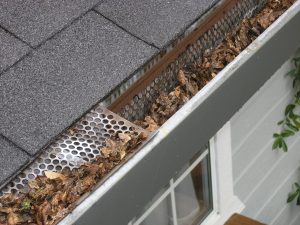
For shingle roofs, the tiny granules on the surface are your primary line of defense. These granules are engineered to reflect sunlight and protect the underlying asphalt. Once UV exposure weakens the bond between the granules and the shingle, they begin to slough off and collect in your gutters. Without this “sunscreen,” the roof’s lifespan is cut significantly short.
Choosing the Best Florida Roofing Materials for Sun Protection
Not all roofing systems are created equal when it comes to heat resistance. Depending on your budget and architectural style, there are several ways to build a “cool roof” that deflects heat rather than absorbing it.
- Reflective Asphalt Shingles: Modern high-performance shingles, such as those we use from TAMKO, are designed with advanced granules that offer superior UV resistance. These “cool” shingles can reflect a much higher percentage of solar radiation than traditional dark-colored options.
- Metal Roofing Systems: Metal is one of the most UV-resistant Florida roofing materials available. Because metal is naturally reflective, it bounces the majority of solar heat back into the atmosphere. When treated with “cool pigments,” a metal roof can reduce attic temperatures by up to 30%.
- Clay and Concrete Tiles: Tile is a Florida classic for a reason. These materials have a high thermal mass, meaning they absorb heat very slowly. Furthermore, the way tiles are installed creates a natural air cushion between the tile and the roof deck, allowing for constant ventilation that protects the underlayment from UV-related “cooking.”
Choosing between these options requires a balance of aesthetic preference and performance needs. To see how we prioritize these high-quality selections for our clients, read our previous post on
Quality Workmanship and Materials: Our Promise to Homeowners.
The Role of the Cool Roof Rating Council (CRRC)
When comparing different Florida roofing materials, it is helpful to look at objective data. We recommend that homeowners consult the
Cool Roof Rating Council (CRRC), an independent organization that rates the “solar reflectance” and “thermal emittance” of roofing products.
By choosing materials with a high CRRC rating, you aren’t just protecting your roof from aging; you are also reducing the load on your HVAC system. A roof that stays cooler during the day means your air conditioner doesn’t have to work as hard, leading to lower monthly utility bills and a more comfortable indoor environment.
Maximizing the Lifespan of Your Florida Roofing Materials
Even the most advanced UV-resistant system needs a little help to reach its full potential. Proper attic ventilation is the partner to high-quality materials. If heat is trapped in your attic, it will bake your roof from the inside out, regardless of how reflective the top layer is.
At Garrett Roofing and Construction, we ensure that every installation includes a comprehensive look at your ventilation system. We check soffit vents, ridge vents, and baffles to ensure that air is flowing freely, keeping your Florida roofing materials at a stable temperature and preventing premature failure.
Ready to Upgrade Your Home’s Defense?
Don’t let the Florida sun shorten the life of your home’s most important protector. Whether you are interested in the sleek look of reflective metal or the tried-and-true durability of high-performance shingles, Garrett Roofing and Construction is here to help. Contact us today for a professional consultation and let us help you select the best Florida roofing materials to keep your home cool and protected for decades to come.